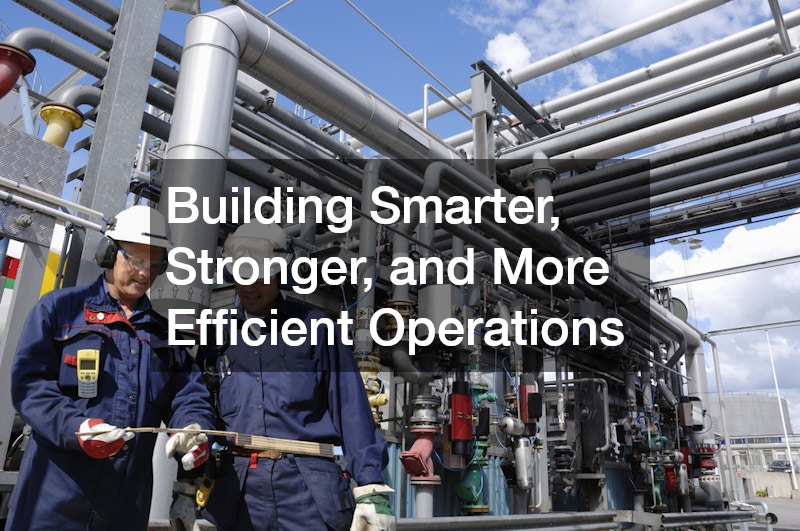
In today’s competitive industrial landscape, efficiency is no longer optional. Companies are under constant pressure to produce more, reduce costs, and maintain high levels of quality. At the same time, aging systems, outdated processes, and reactive maintenance strategies can quietly erode productivity and profitability. Even small inefficiencies can compound over time, leading to significant operational losses. Without a clear strategy, these issues often go unnoticed until they disrupt production.
The most successful operations take a proactive approach. They focus on optimizing every stage of production, from system design and equipment selection to maintenance and scalability. Instead of reacting to problems, they build systems that prevent them. This shift in mindset allows teams to operate with greater consistency and confidence. It also creates opportunities to improve performance before issues arise.
By focusing on smarter planning, better equipment, and long-term strategies, you can create a more resilient and efficient operation that supports growth and reduces downtime. This approach not only improves day-to-day operations but also strengthens your ability to adapt to changing demands. Over time, it leads to more predictable outcomes and better overall performance. The result is a system that works smarter, not harder, at every level.
Start With a System-Wide Operational Assessment

Before making upgrades or investments, it is essential to understand how your current operation performs. Without a clear baseline, it is difficult to identify where improvements will have the greatest impact. Taking the time to evaluate your systems helps uncover inefficiencies that may not be immediately visible. It also allows you to prioritize changes based on measurable data rather than assumptions. A thorough assessment ensures that your investments are targeted and effective. This foundation sets the stage for smarter, more strategic improvements moving forward.
Identify Bottlenecks and Inefficiencies
Look closely at your workflows:
- Where does production slow down?
- Which processes require the most manual intervention?
- Where do delays or errors frequently occur?
Even small inefficiencies can compound over time, leading to significant losses.
Analyze Equipment and Workflow Performance
Track key performance indicators such as:
- Downtime frequency
- Production output
- Maintenance intervals
This data helps highlight patterns that may not be immediately obvious.
Work With Experienced Professionals
An engineering company can provide a comprehensive evaluation of your systems. They bring an outside perspective and technical expertise that helps uncover hidden issues. Their experience across different operations allows them to identify patterns and inefficiencies you may overlook internally. They can also recommend practical improvements based on proven methods and real-world results. This insight helps you make more informed decisions and avoid costly trial-and-error approaches. Ultimately, their guidance can lead to more efficient, reliable, and scalable operations.
Develop Targeted Improvements
Rather than applying broad changes, focus on targeted engineering solutions that address specific problems. This approach minimizes disruption while maximizing results. It allows you to make precise improvements without overhauling entire systems unnecessarily. Targeted adjustments are often faster to implement and easier to measure for effectiveness. They also reduce risk by limiting the scope of change. Over time, these focused improvements can add up to significant gains in efficiency and performance.
Actionable Steps
- Conduct regular system audits
- Use data to guide decisions
- Prioritize improvements based on ROI
Invest in the Right Equipment for Long-Term Performance
The equipment you choose has a direct impact on your operation’s efficiency, reliability, and scalability. It influences how smoothly your processes run and how consistently you can meet production demands. Poor equipment choices can lead to frequent breakdowns, increased maintenance, and costly downtime. On the other hand, the right equipment supports streamlined workflows and long-term performance. Making informed decisions upfront helps ensure your operation can grow without constant disruptions.
Match Equipment to Your Needs
Avoid over- or under-specifying your Manufacturing Equipment:
- Oversized equipment can waste energy and resources
- Undersized equipment can limit production capacity
The goal is to find the right balance.
Focus on Quality and Precision
Working with a CNC machine shop ensures components are manufactured with high precision. This reduces variability and improves overall system performance. Precision machining also helps components fit and function exactly as intended, reducing the risk of misalignment or premature wear. Consistent quality across parts leads to smoother operation and fewer disruptions. It also supports tighter tolerances, which are critical in high-performance systems. Over time, this level of accuracy contributes to greater reliability and longer equipment lifespan.
Consider Lifecycle Costs
The initial purchase price is only part of the equation. Also consider:
- Maintenance requirements
- Energy consumption
- Replacement parts availability
Plan for Scalability
Choose equipment that can grow with your operation. Modular systems and upgrade-friendly designs allow for easier expansion. This flexibility helps you adapt to increasing demand without replacing entire systems. It also reduces downtime when upgrades are needed, keeping production running more smoothly. Planning for scalability upfront can save significant costs over time. It ensures your operation remains efficient and competitive as your needs evolve.
Actionable Tips
- Standardize equipment where possible
- Invest in proven technologies
- Evaluate long-term performance, not just upfront cost
Strengthen Critical Components to Reduce Downtime
Hydraulic systems are essential in many industrial operations, but they are also common points of failure. Because they operate under high pressure and constant use, even minor wear can quickly escalate into major issues. Components like seals, hoses, and cylinders are especially vulnerable over time. If these parts are not monitored closely, performance can decline without obvious warning signs. Staying ahead of these risks is key to maintaining consistent and reliable operation.
Recognize Early Warning Signs
Watch for:
- Leaks or pressure loss
- Sluggish performance
- Unusual noises
Addressing these issues early can prevent major breakdowns.
Prioritize Preventative Maintenance
Routine inspections and servicing help keep systems running smoothly.
Work With Specialized Repair Providers
Partnering with experts in local hydraulic cylinder repair local hydraulic ensures:
- Accurate diagnostics
- Proper repairs
- Extended component life
Benefits of Proactive Care
- Reduced downtime
- Lower repair costs
- Improved system reliability
Actionable Steps
- Schedule regular inspections
- Replace worn seals promptly
- Monitor system pressure and performance
Improve Material Durability and Performance Through Testing
Material failure is one of the leading causes of equipment breakdown. Understanding how materials perform in your environment is critical. Different conditions, such as moisture, chemicals, and extreme temperatures, can accelerate wear in unexpected ways. Without proper evaluation, materials may degrade faster than anticipated, leading to premature failure. This not only impacts performance but can also create safety risks for your operation. Taking the time to assess and select the right materials helps ensure long-term durability and reliability.
Understand Corrosion Risks
Factors such as moisture, chemicals, and temperature can accelerate wear.
Use Testing to Prevent Failures
Corrosion testing services help identify vulnerabilities before they become serious issues.
Benefits of Testing
- Improved material selection
- Longer component lifespan
- Enhanced safety
Implement Ongoing Monitoring
Testing should not be a one-time process. Regular evaluations ensure materials continue to perform as expected.
Actionable Tips
- Test materials before installation
- Monitor high-risk areas
- Adjust materials based on results
Control Heat and Energy Loss for Greater Efficiency
Heat management plays a major role in both efficiency and safety. Excess heat can reduce equipment performance and increase energy consumption across your operation. It can also create hazardous working conditions if not properly controlled. Over time, unmanaged heat can lead to accelerated wear and unexpected system failures. Implementing effective heat control strategies helps maintain consistent performance and protects both equipment and personnel.
Identify Heat Loss Areas
Common problem areas include:
- Pipes and valves
- Boilers and tanks
- High-temperature equipment
Improve Insulation
An industrial insulation blanket helps:
- Retain heat
- Reduce energy consumption
- Protect workers
Enhance System Performance
Proper insulation improves:
- Temperature stability
- Equipment efficiency
- Operating costs
Actionable Steps
- Conduct thermal audits
- Prioritize high-impact areas
- Schedule regular inspections
Enhance Material Strength and Reliability Through Processing
Material strength directly impacts durability and performance. Stronger materials are better able to withstand stress, wear, and repeated use over time. When materials are not properly reinforced or treated, they can fail under pressure, leading to costly downtime. Selecting and enhancing the right materials helps ensure components perform reliably in demanding conditions. This attention to material quality plays a key role in maintaining consistent and long-lasting operation..
Understand Heat Treatment Benefits
Heat treatment processes can:
- Increase hardness
- Improve wear resistance
- Enhance structural integrity
Apply Treatment Strategically
Not all components require the same treatment. Tailor processes to specific applications.
Work With Experienced Providers
Local heat treating services ensure:
- Proper process control
- Consistent results
- Reliable quality
Actionable Tips
- Match treatment to material type
- Verify post-treatment performance
- Maintain quality control standards
Automate Production for Speed and Precision
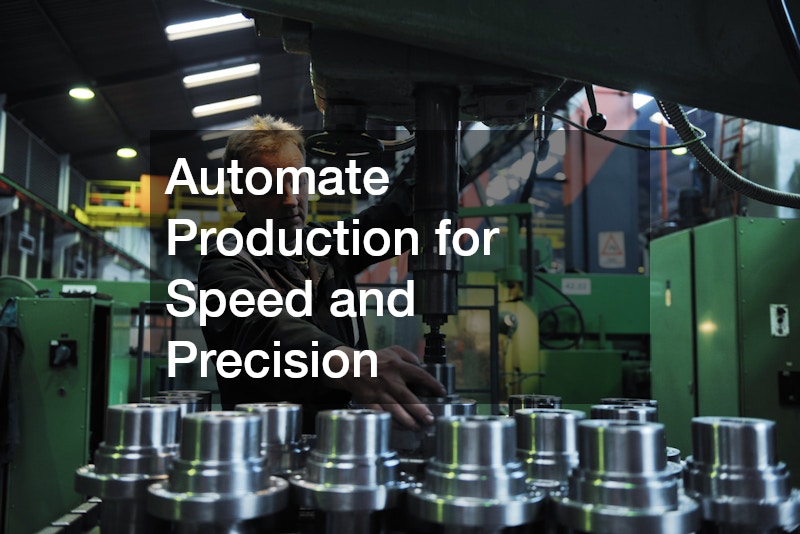
Automation is one of the most effective ways to improve efficiency. It reduces the need for manual intervention and minimizes the risk of human error. By streamlining repetitive tasks, operations can run faster and more consistently. Automation also allows teams to focus on higher-value work that requires critical thinking and oversight. Over time, it leads to improved productivity, better accuracy, and more predictable outcomes.
Identify Automation Opportunities
Focus on tasks that are:
- Repetitive
- Time-consuming
- Prone to error
Benefits of Automation
A robotic fabrication service can:
- Increase production speed
- Improve accuracy
- Reduce labor costs
Implement Gradually
Start with one process and expand as needed.
Actionable Steps
- Evaluate ROI before investing
- Train staff to work alongside automation
- Monitor performance improvements
Optimize Waste Management and Material Handling
Efficient waste management improves both productivity and sustainability. It reduces clutter on the production floor and helps streamline daily operations. When materials are handled properly, it minimizes unnecessary movement and labor. This not only saves time but also lowers operational costs over time. A well-organized system also supports recycling efforts and reduces environmental impact.
Streamline Waste Processes
Reduce unnecessary handling and movement.
Improve Storage and Transport
A baler machine compresses materials, making them easier to store and transport.
Benefits of Optimization
- Reduced labor costs
- Improved organization
- Enhanced recycling efforts
Actionable Tips
- Design clear waste flow systems
- Minimize handling steps
- Regularly review processes
Create a Preventative Maintenance Strategy That Works
Reactive maintenance leads to higher costs and unexpected downtime. Waiting until something breaks often results in more extensive damage and longer repair times. This approach can disrupt production schedules and create costly delays. It also makes it harder to predict expenses and allocate resources effectively. Shifting to a proactive maintenance strategy helps keep systems running smoothly and reduces the risk of sudden failures.
Build a Structured Plan
Include:
- Scheduled inspections
- Routine servicing
- Data tracking
Incorporate Specialized Services
Working local hydraulic cylinder repair local hydraulic into your maintenance plan ensures hydraulic systems stay reliable. Using corrosion testing services helps detect issues early.
Benefits of Preventative Maintenance
- Reduced downtime
- Lower repair costs
- Extended equipment lifespan
Actionable Tips
- Track maintenance history
- Replace components before failure
- Use predictive tools where possible
Build a Scalable System That Supports Future Growth

Planning for growth ensures your operation remains competitive. Without a clear strategy, scaling can lead to inefficiencies and operational strain. Preparing in advance allows you to expand capacity without disrupting existing workflows. It also helps you anticipate future demands and adapt more effectively. Taking a forward-thinking approach positions your operation for long-term success and stability.
Design for Flexibility
Choose systems that can adapt to changing needs.
Upgrade Strategically
Invest in Manufacturing Equipment that supports expansion.
Use Smart Planning
Applying engineering solutions helps future-proof your operation.
Actionable Steps
- Plan for increased demand
- Invest in modular systems
- Continuously evaluate performance
The Key to Long-Term Efficiency and Growth
Building smarter, stronger, and more efficient operations requires more than isolated improvements. It demands a comprehensive approach that considers every aspect of your system, from design and equipment to maintenance and scalability. Each component should work together to support consistent performance and minimize inefficiencies. When systems are aligned, operations become more predictable and easier to manage. This level of coordination helps eliminate gaps that often lead to downtime or lost productivity.
When you take a proactive and strategic approach, you reduce downtime, improve performance, and create a foundation for long-term success. The result is an operation that not only meets today’s demands but is prepared to grow and evolve in the future. It also allows your team to operate with greater confidence and control. Over time, these improvements lead to stronger output, lower costs, and more sustainable growth.